
Years ago, I was planning and designing a tented wedding for a wonderful couple who gave me so much creative freedom. I had managed tented weddings before, but this was one of the first where I was involved in the entire wedding planning and design process from the beginning—the timeline, the layout, the design, and how it would all come together. And I was excited.
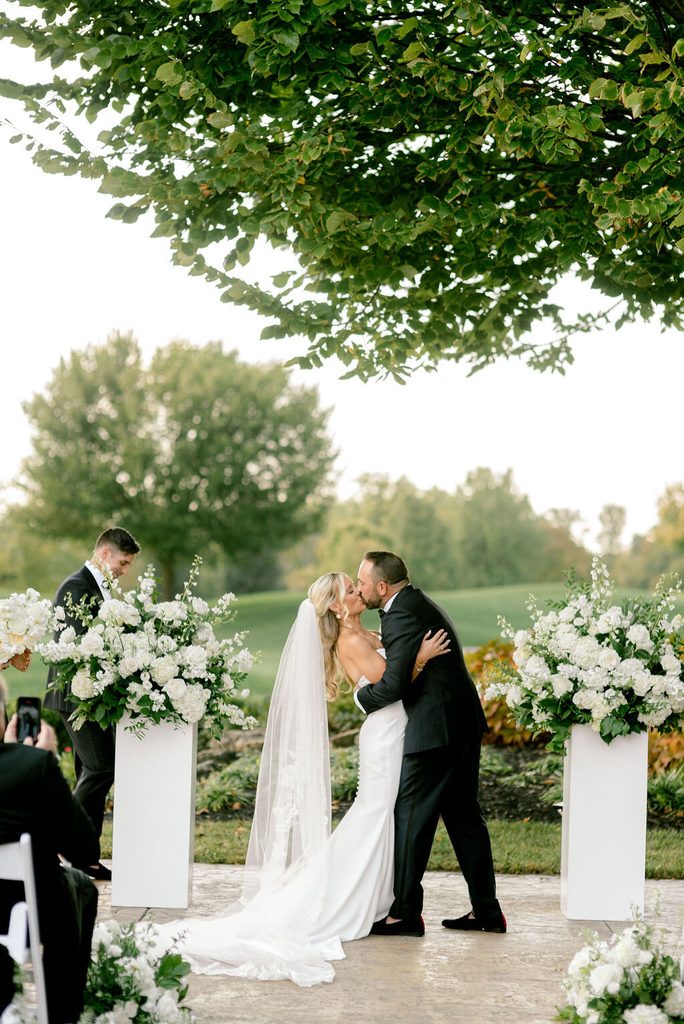
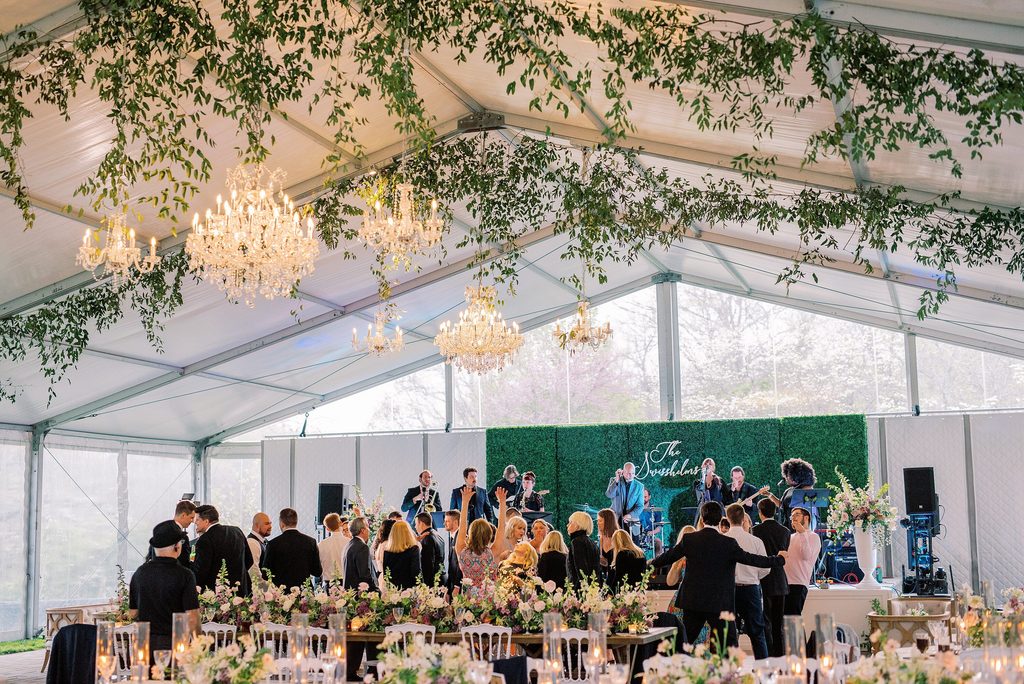
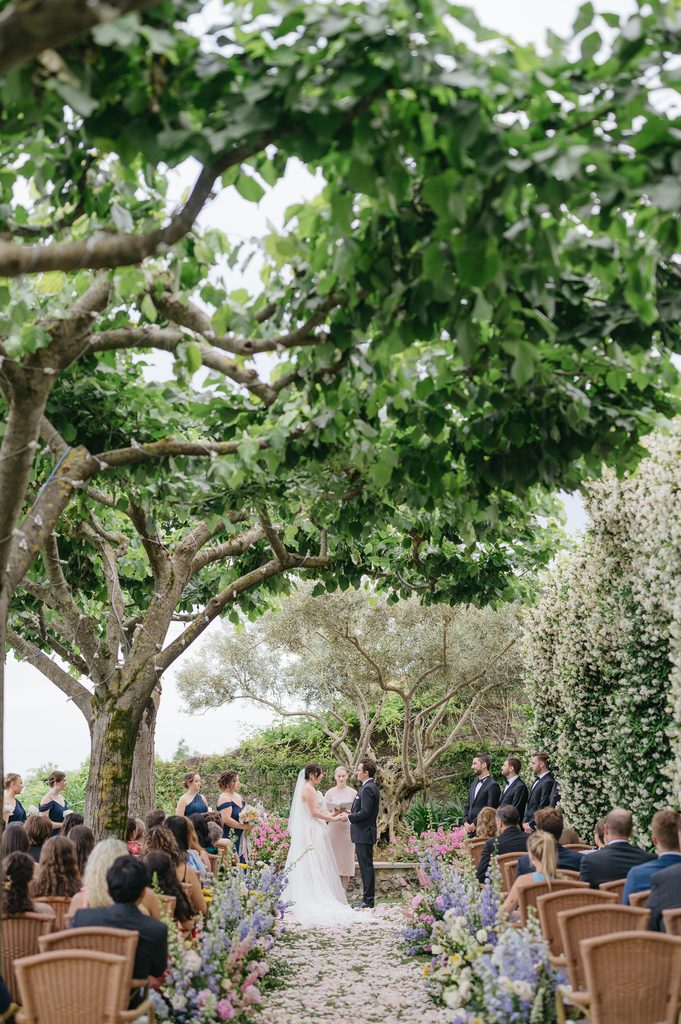
We had layers of dusty blue, patterns, a long head table, flowers suspended above the dance floor, and a beautiful band. The ceremony would take place beneath a large oak tree before guests moved to cocktail hour and eventually into the tent for dinner and dancing. I loved being able to build something essentially from scratch.
Then it rained. It rained a little during setup, stopped in time for the outdoor ceremony, and everything continued beautifully. Dinner happened and the dance floor opened.
Then it started pouring. Eventually, I noticed that the ground beneath a couple of tables near the edge of the tent was turning into a puddle. The tables were beginning to sink into the wet ground, and the linens were soaking up muddy water.
Thankfully, dinner was over and everyone was dancing. We moved what we could, lifted the linens, and handled it. The couple and their guests had an incredible night. They still refer us to their friends today. But it bothered me. Not because the wedding wasn’t beautiful. It absolutely was.
It bothered me because I started thinking about all the questions I could have asked beforehand. How does water move across this property during heavy rain? Does this particular area tend to hold water? What normally happens here during a storm? Was there anything we could have done differently in the layout or preparation? The wedding was beautiful. But beautiful isn’t enough.
Marrying the Pretty With the Practical
After nearly two decades of weddings, I’ve learned that some of the most important questions we ask have absolutely nothing to do with what something looks like. Yes, I want the space to be gorgeous. I want the lighting to be incredible, the tables to feel special, and the entire design to make you stop for a second when you walk into the room. But I also need to know: Does it make sense?
Can catering properly service the room? Will guests be able to move comfortably between the tables? Does the photographer have the access they need? Do guests have a clear view? Is it safe? What happens if the weather changes? Is something we’re designing going to create a logistical problem for another vendor? Most importantly, are we adding something beautiful that ultimately makes the experience worse?
I often say that good wedding planning and design has to “marry the pretty with the practical.” A wedding is a live event. Vendors are human. The weather is always unpredictable. Things happen. We can’t control every variable, but thoughtful planning means asking enough questions beforehand that we’re prepared to pivot when something doesn’t go according to plan.
The goal isn’t perfection. It’s to have thought through enough of the possibilities that when something changes, we can adjust and keep moving.
Designing the Journey, Not Just the Room
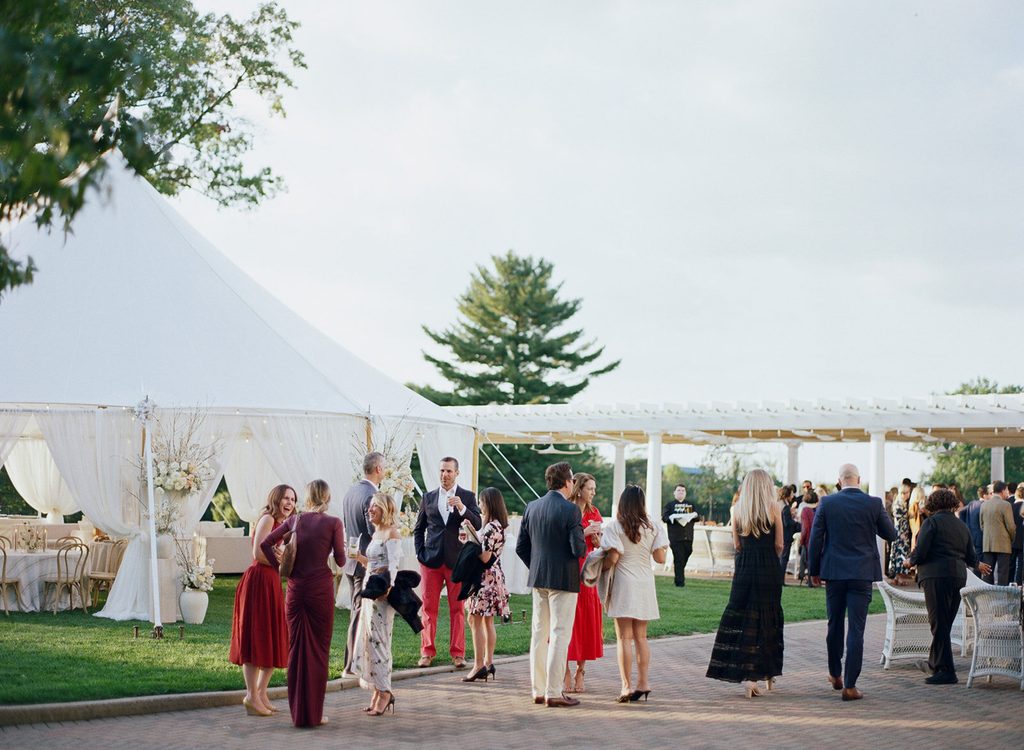
I remember another tented wedding at a farm when this way of thinking really started to click for me. Instead of presenting the design simply as a ceremony, cocktail hour, tent, and dance floor, I began describing the wedding from the guests’ perspective.
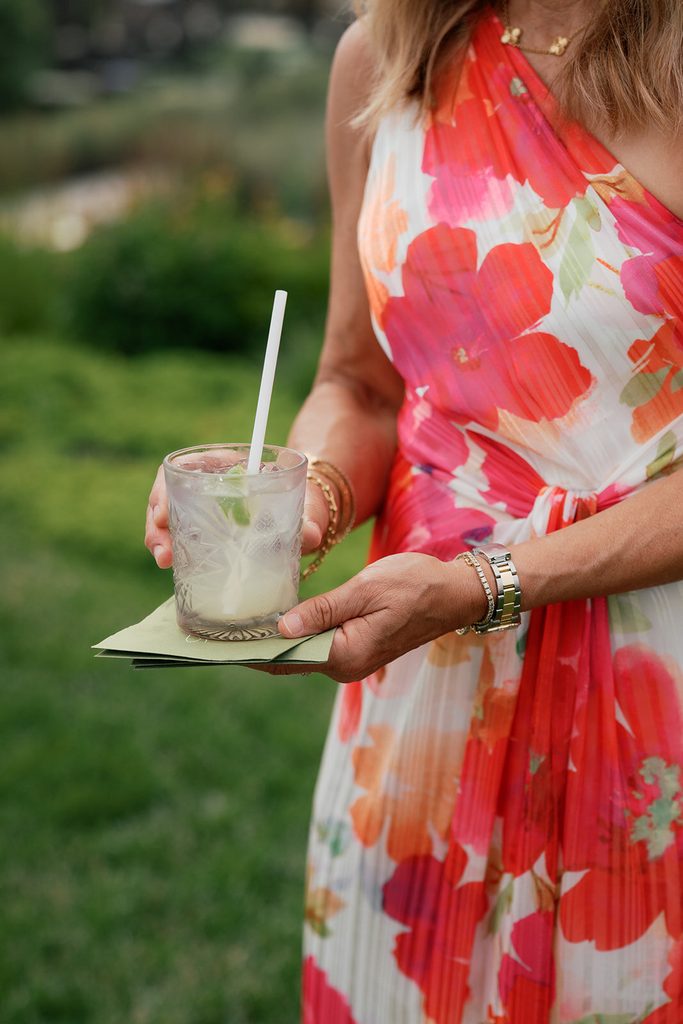
They would leave their hotel in downtown Cincinnati and travel by bus to the farm. When they arrived at the top of the hill, they’d be welcomed with trays of mint juleps. They’d follow a gravel path lined with lanterns, passing the barn and a huge oak tree glowing with bistro lights before reaching the ceremony in the field.
Afterward, they’d follow that same path back to cocktail hour in the barn, where there was shade, music, food, a photo booth, and the guest book.
From there, they’d move into the tent for dinner, where greenery and lanterns suspended overhead echoed the lanterns they’d already encountered along the path. Later, everyone would move back outside to dance beneath that enormous oak tree.
Each space was different, but it all belonged to the same experience. That changed something for me. I wasn’t simply designing several beautiful areas on a property anymore. I was thinking about how someone would experience the wedding from the moment they arrived until the moment they left.
Wedding Planning Should Consider What Your Guests Experience
When you’re hosting a wedding, you’re asking people you love to spend an entire day (and sometimes an entire weekend) with you. We want them to feel that someone has thought about what that experience will be like for them.
Do they know how they’re getting to the wedding? When they arrive, is it obvious where they’re supposed to go? If it’s hot, is there water and shade? On a cold day, have we prepared for the weather? Will they be walking through grass—and did we let them know before they showed up in stilettos? And when it’s time to move into another space, is someone guiding them there, or are 150 people standing around wondering what’s happening next?
Good hospitality often begins long before the wedding day. A thoughtful wedding website, transportation information, dress-code guidance, and detailed itineraries for family and the wedding party can answer questions before anyone has to ask them. On the wedding day, signage, your planning team, the MC, and the flow of the timeline continue that communication.
People don’t necessarily notice when all of this is working. They simply feel taken care of.
The Couple Should Get to Experience It, Too
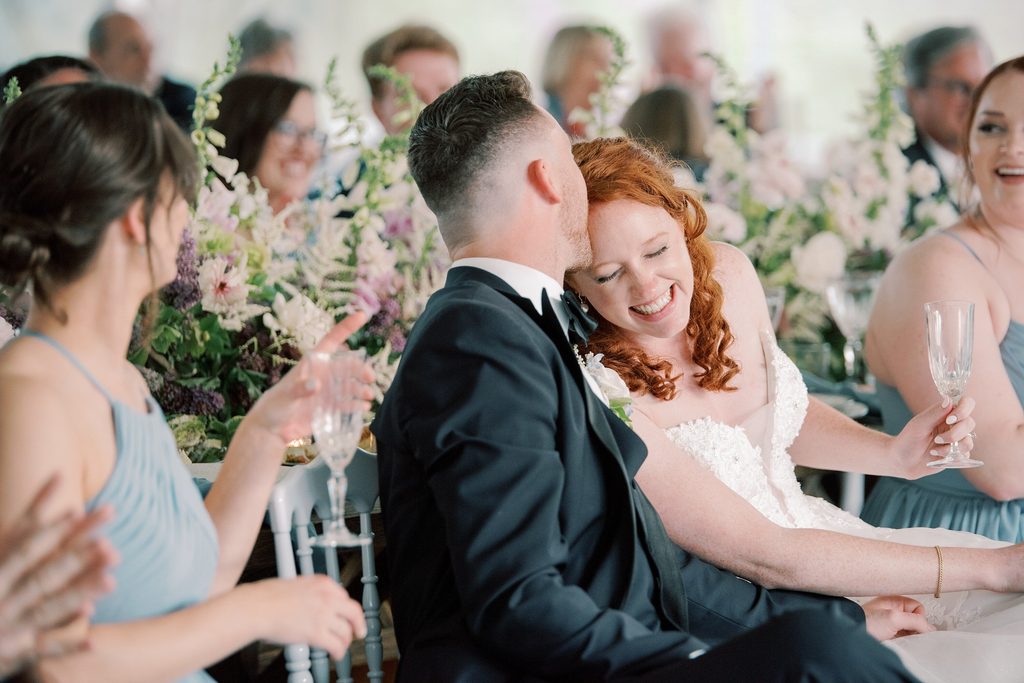
And all of that care applies to our couples and their families just as much as it does to their guests. I hate when my couples don’t eat. Or when they miss the photo booth they were excited about or never make it onto the dance floor. You spent months choosing these things. You should actually get to experience them.
Our job is to do the preparation beforehand so you don’t have to spend your wedding day wondering when the buses are arriving, whether the band is ready, when you need to change your dress, or whether dinner service is running behind. We’ll tell you when we need you. Until then, just be at your wedding.
Enjoy getting ready with your friends. Take the photos. Have the cocktail. Eat the food you carefully selected. Hug the people who traveled to celebrate with you. Get into the photo booth. Dance the night away.
There is an enormous amount of work happening behind the scenes at a wedding that will never make it into your photo album—and that’s exactly how it should be. If something needs to be adjusted, fixed, moved, or completely rethought in the moment, that’s our problem to solve. Your job is to be there and celebrate with your favorite people.
Why Every Wedding Planning and Design Decision Has a Reason
This is why I don’t believe planning, design, and hospitality can exist independently from one another.
A room layout is part of the design, but it also determines how servers move through the space, whether guests can comfortably get out of their chairs, what they can see, and how a couple enters the room. A bar can be beautiful, but it also needs to serve a room full of people efficiently. Lighting creates atmosphere, but it also has to work within the space. A timeline keeps the day organized, but it should also create enough breathing room for people to actually enjoy what you’ve planned.
Every decision affects something else. So 100%, I care about which chair we choose. I care about the centerpiece, the linens, the lighting, and the way the room looks when the doors open. But there’s a reason behind those decisions beyond making something pretty. It has to work.
That’s where thoughtful wedding planning and design comes together: when the beautiful things you see and the hundreds of decisions you don’t see are all working toward the same experience.
When We Finally Get to Stand in the Back
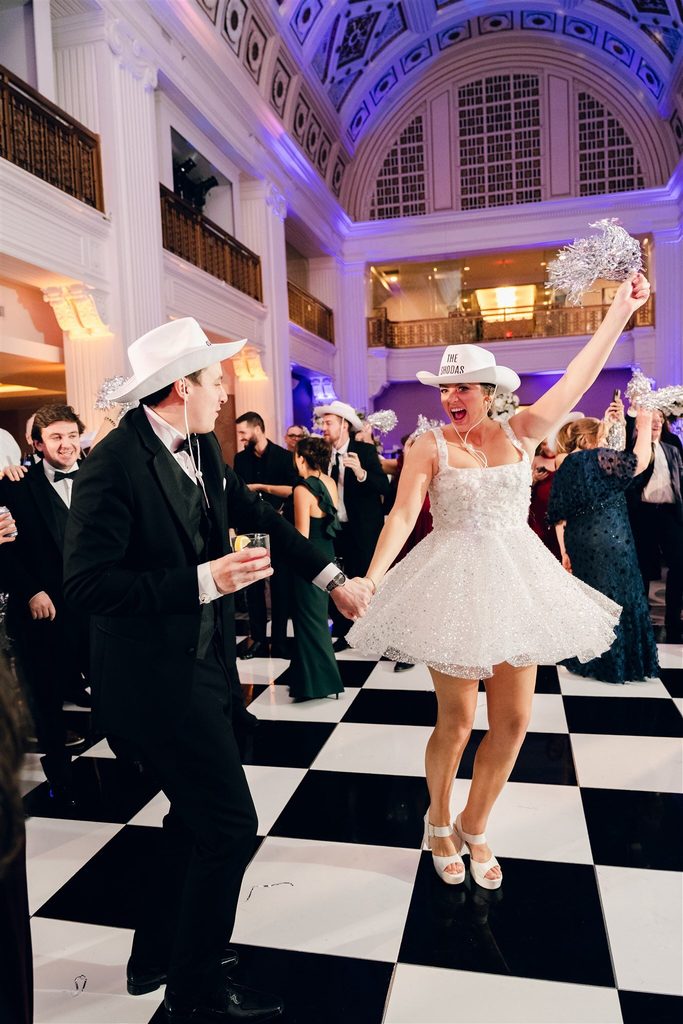
There is a point at almost every wedding when my team and I can finally breathe. Dinner is finished. The speeches are over. The formal dances are done. Everyone has been fed, and the dance floor finally opens. That’s when you’ll often find us standing toward the back of the room, watching.
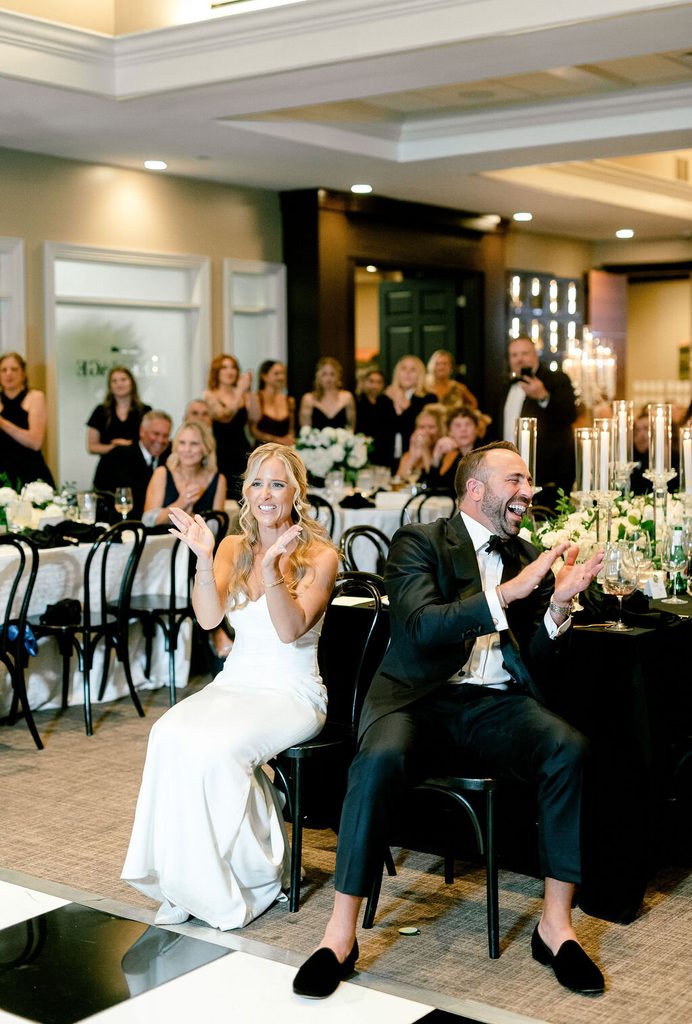
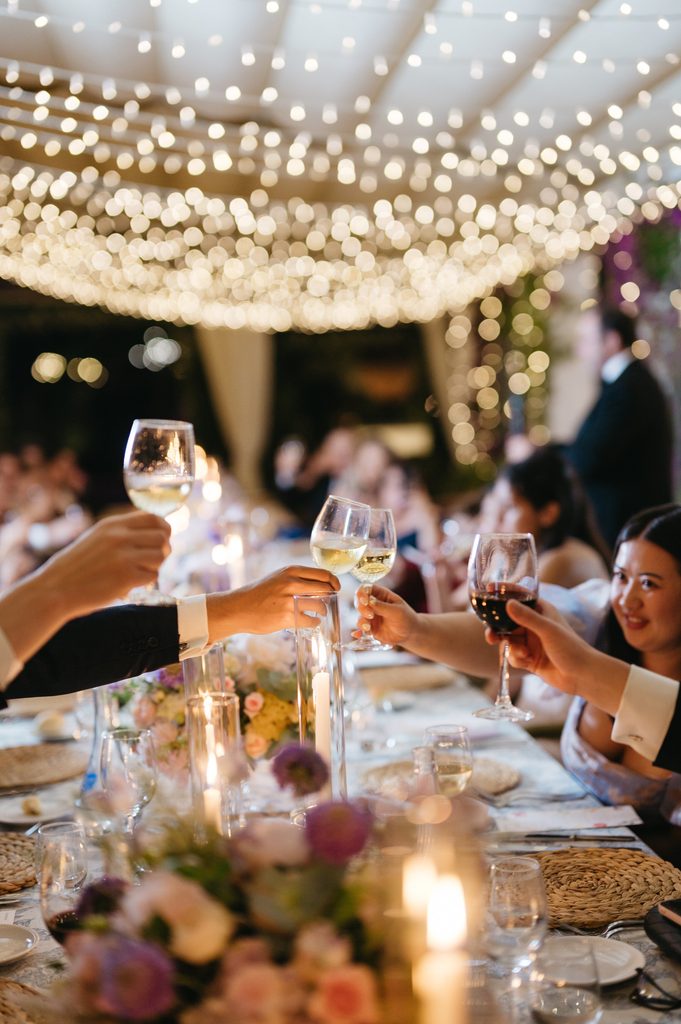
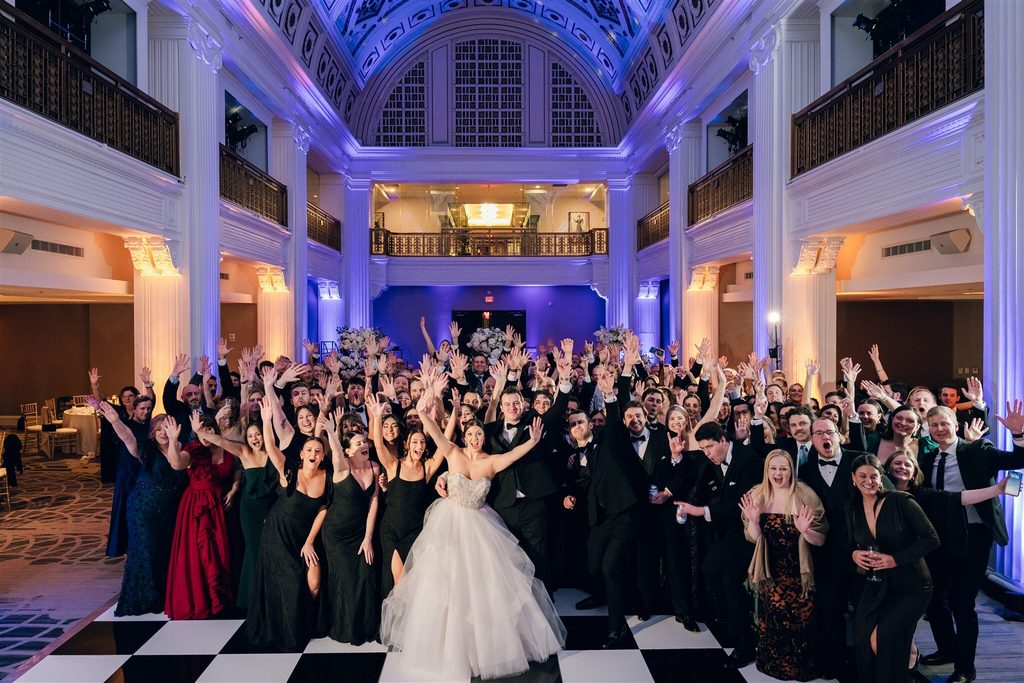
The parents have relaxed and grandma is grooving on the dance floor. College friends are meeting childhood friends and having a blast. Families who may not have known each other well before the weekend are celebrating together and clinking glasses. Shoes start coming off and drinks are flowing. I love that part.
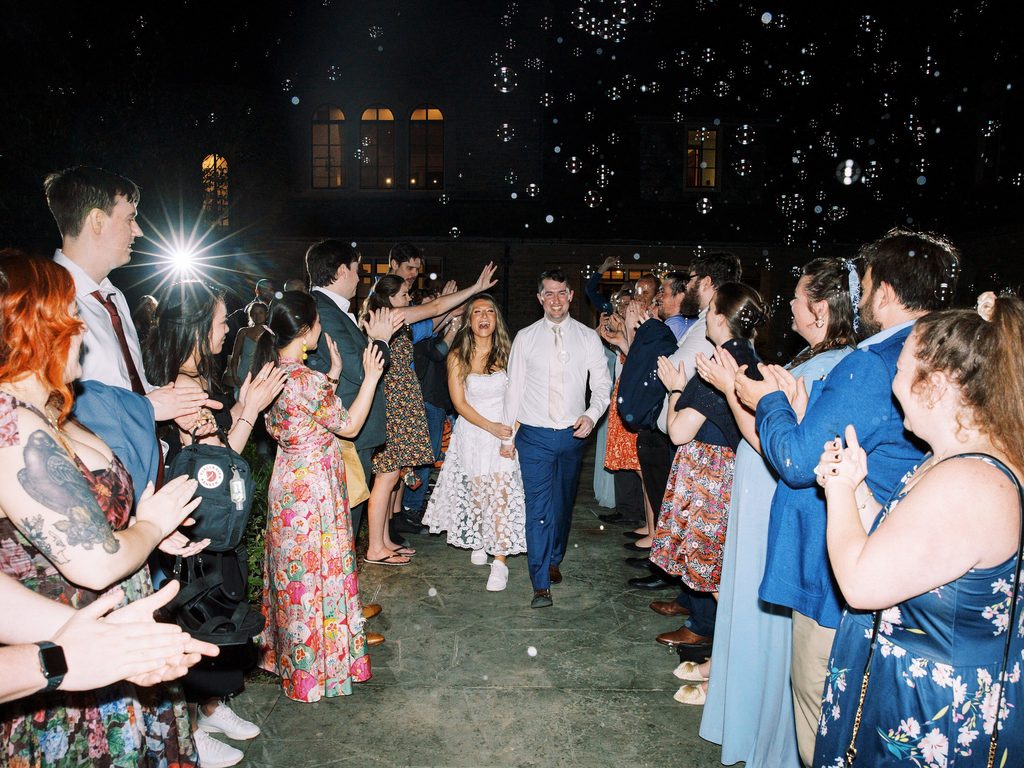
Because that’s when I get to watch people enjoy everything we’ve spent months creating together. And they’re not thinking about any of it. They’re just having a great time. That’s when I know we’ve done our job.
We absolutely want to create a beautiful wedding. But underneath everything you see is the wedding planning and design that allowed it all to happen: the questions, logistics, backup plans, communication, collaboration, and hundreds of decisions that made the experience work. The goal was never simply to create a beautiful room. It was to take care of the people inside it.
If you’re looking for a planning and design team who cares just as much about how your wedding works and feels as how it looks, get in touch with KMC Events + Design to tell us more about the celebration you’re planning.
Leave a Reply
categories
us weddings
european weddings
planning tips
creating dream weddings in ohio and worldwide
KMC Events + Design works with adventurous couples who want a wedding that feels unmistakably their own—thoughtfully designed around their unique love story, personalities, and vision. It would be an honor to collaborate with you and design an extraordinary celebration that feels like a true reflection of who you are.


Be the first to comment